

In flexographic printing, the anilox roller is central to colour control, directly influencing ink transfer and print consistency. Achieving reliable results begins with selecting a manufacturer capable of delivering consistent cell volumes across the full range, paired with engraving technologies suited to the application. Zecher’s Hex, Stepped Hex and HIT engravings, for example, are designed to handle everything from fine line work to heavy solids, ensuring optimal performance across varying print demands.
Once the press, anilox, doctor blade, ink and plate combination has been fingerprinted and profiled, maintaining that standard becomes the priority. Consistency over time relies on controlling key variables, with two primary factors responsible for performance decline: cell contamination and anilox wear.
Cell contamination is one of the most common causes of inconsistency. Ensuring an anilox is completely clean before it is stored is essential. Even partially blocked cells can disrupt ink transfer, leading to density variation and unnecessary downtime while operators troubleshoot issues. For routine cleaning, liquid solutions such as Enpurex from TKM provide a practical and cost-effective option on the press floor. However, for deep cleaning and long-term maintenance, laser cleaning has become the industry benchmark. When correctly applied, it offers the cleanest, fastest and safest method of restoring cell volume. Systems such as the Evolux range, developed by Ulmex in collaboration with Zecher, are widely regarded as leading solutions in this space.
Alongside contamination, gradual wear of the anilox surface also impacts performance. Over time, the ceramic layer degrades, reducing cell depth and volume, which in turn affects ink transfer and print density. This wear is influenced by several factors, including ink types, doctor blade settings, press conditions and cleaning methods. Without proper monitoring, these changes can go unnoticed until they begin affecting production quality and efficiency.
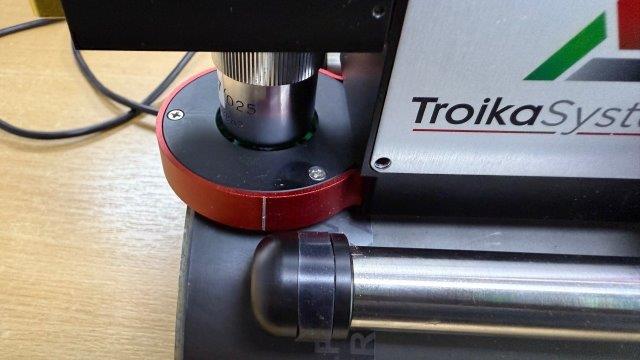
Modern measurement technology removes this uncertainty. Solutions such as the Anicam and Anilox Management System from Troika Systems allow printers to accurately measure cell volume and line screen while tracking performance over time. This data-driven approach ensures that only in-spec anilox rollers are used in production, while also enabling proactive planning for refurbishment or replacement.
Ultimately, consistent, high-quality flexographic printing depends on control. By combining reliable anilox supply, effective cleaning processes and accurate wear monitoring, printers can reduce variability, minimise downtime and protect profitability. For those looking to better manage these critical variables, Nekkorb Solutions offers a comprehensive range of solutions tailored to modern flexographic operations.
Sam Kay, Technical Sales Representative, sam@nekkorbsolutions.co.nz +64 21 555 134
Tash Brokken, Commercial Manager, tash@nekkorbsolutions.co.nz +64 21 423 464