

To say that the packaging industry is in a state of flux would be an understatement. Global regulations, evolving consumer expectations and rapid technology shifts are converging to shake up the status quo, including how packaging is designed, produced and delivered. The choices made in the next few years will define not only competitive advantage, but also the industry’s contribution to a more sustainable, digital and efficient future.
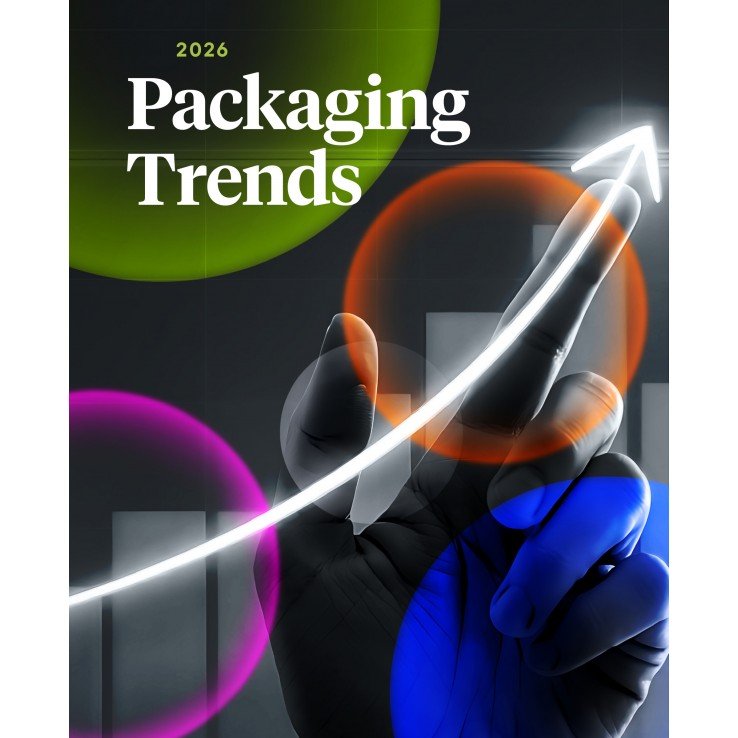
A new eBook available from Esko explores three interconnected forces impacting packaging in 2026:
- Sustainability: As legislation accelerates and reporting becomes financially material, sustainability has moved from aspiration to obligation.
- Smart Packaging & the Digital Product Passport (DPP): Packaging is becoming a digital information carrier that promotes transparency, traceability and trust.
- Agentic AI: Artificial intelligence is advancing from simple automation to intelligent systems that change how packaging teams create, manage and deliver work.
Each chapter combines market analysis, expert insight and Esko’s perspective on what these trends mean in practice — for brands, converters and the people who work with packaging every day.
“Our goal is not simply to forecast what’s coming, but to help you prepare, adapt and thrive in the changing landscape,” says Jan De Roeck, Marketing Director Esko.
“Packaging has always evolved in response to the needs of society. But the pace of change we are experiencing today is unlike anything before. And, as I often tell customers, this pace is only going to accelerate. The invention and adoption of technologies such as artificial intelligence, coupled with tightening sustainability regulations and new forms of digital packaging intelligence, are reshaping our sector in fundamental ways.
“Sustainability will continue to remain one of the strongest drivers of change in our industry. The role of smart packaging in 2026 and well into the future will enable product passports, providing traceability and consumer engagement opportunities.
“What makes smart packaging exciting is how brands will use it to continue to connect with consumers. And then there is perhaps the most hyped of the trends: AI. It will take time before companies fully understand where AI delivers value and where it does not. But its potential is undeniable.
“Ultimately, whether we are talking about sustainability, smart packaging, or AI, the principle of competitiveness in packaging remains constant: it’s all about creating value for your customer. If new substrates, new technologies, or new processes help you get to market faster while delivering that value, then those are worthwhile uses of our time.
“This eBook brings together insights from industry experts and technology leaders to explore these trends in depth. My hope is that the perspectives you’ll read here will not only inform your strategies but inspire you to embrace the challenges our industry faces.”
Packaging is a dynamic system that reflects regulatory requirements, consumer expectations and digital innovation. As we look to 2026, three things become crystal clear:
- Sustainability is now a baseline for competitiveness, not a differentiator.
- Digital Product Passports and connected packaging will redefine how value and data flow through the supply chain.
- Agentic AI will empower people to work smarter, reducing complexity while enhancing creativity and compliance.
For packaging leaders, the challenge is not whether these will shape the industry – they already are. The focus will be on how quickly and effectively organisations can respond. Those that embrace change will gain agility, reduce risk and generate new opportunities. Those that hesitate risk falling behind.
“At Esko, we believe the future of packaging belongs to those who see these trends not as disruptions, but rather as interconnected drivers of progress,” concludes Jan. “We foresee a more sustainable, intelligent and collaborative packaging ecosystem where people and technology will work in tandem to deliver packaging that meets the needs of businesses, consumers and the planet.”
Get the eBook HERE