

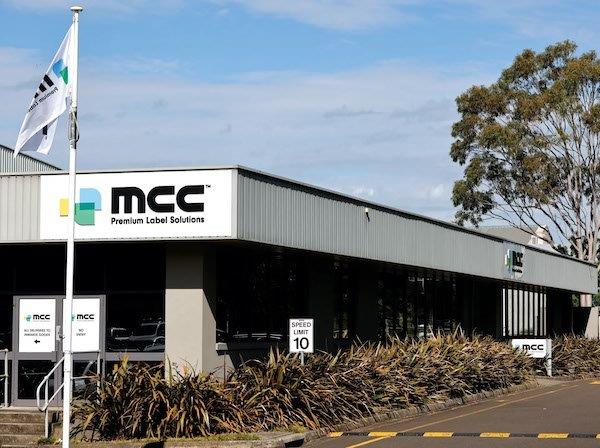
Multi-Color Corporation, a global leader in prime label manufacturing, filed for Chapter 11 bankruptcy protection on January 29, 2026, in the United States Bankruptcy Court for the District of New Jersey. The company entered bankruptcy with a prepackaged plan of reorganisation supported by lenders holding approximately 72.3% of its first lien debt and Clayton, Dubilier & Rice, LLC, the private equity firm that acquired the company in 2021. The restructuring will eliminate $3.9 billion in debt and provide $889 million in new funding while leaving general unsecured creditors unimpaired.
The filing comes after years of industry challenges that reduced the company’s revenue from $3.56 billion in 2022 to $3.06 billion in 2025, a 14% decline. Multi-Color operates more than 90 facilities across 25 countries and employs approximately 12,800 people worldwide. The company has seven sites in Australia: Sydney NSW, Melbourne VIC (2), Brisbane QLD, Mile End SA, Griffith NSW, Perth WA; and three in New Zealand: Auckland (2), Christchurch.
The company provides six main categories of label solutions: Pressure Sensitive Labels, which account for 45% of revenue; Cut & Stack Labels at 19%; In-Mould Labels at 13%; Roll-Fed Labels at 9%; Shrink & Stretch Sleeve Labels at 8%; and RFID-Enhanced Labelling at 2%. Multi-Color employs multiple print technologies including flexography, gravure, offset/lithography, digital, and rotary screen printing.
The restructuring will provide a $3.9 billion reduction in net debt, adequate capitalisation with over $550 million of liquidity at closing, cash savings of approximately $350 million in annual debt service obligations, and a seven-year maturity runway on the new debt.
The plan includes debtor-in-possession financing of up to $657.5 million, comprising $250 million of new money commitments, a 1:1 roll-up of First Lien Secured Claims, a $7.5 million DIP Backstop Premium, and up to $150 million in incremental new money loans.
Multi-Color filed various first day motions seeking relief to maintain business operations during the bankruptcy case. The company requested authority to continue using its existing cash management system, pay critical vendors and trade claims, pay employee wages and benefits, maintain insurance policies, continue customer programs, pay taxes and fees, and protect tax attributes including net operating losses.
The restructuring operates on an aggressive timeline. The plan includes milestones for entry of an interim DIP order within three business days of the petition date, entry of a final DIP order within 35 days of the petition date, court approval of a confirmation order within 60 days of the petition date, and a plan effective date within 90 days of the petition date.
Caption:
The MCC factory at Notting Hill, Victoria